Blog / Knowledge
Insights for Efficient Slaughterhouse Operations
Key Factors to Consider When Planning a Slaughterhouse Project
Planning a slaughterhouse project is a complex process that requires careful consideration of technical, operational, and regulatory factors. Whether developing a new facility or upgrading an existing one, proper planning ensures efficient operations, compliance with hygiene standards, and long-term success.
The first factor to consider is facility capacity. Determining the required processing volume helps guide equipment selection, line design, and overall layout. Facilities may range from small and medium operations to large industrial plants. Understanding daily throughput requirements ensures that processing lines are neither underutilized nor overloaded.
Site conditions also play a critical role in slaughterhouse planning. Available space, local infrastructure, access to utilities, and environmental conditions influence facility design. Proper layout planning ensures smooth workflow between processing areas, minimizes cross-contamination risks, and supports future expansion if needed.
Hygiene and food safety requirements are among the most important considerations. Slaughterhouses must comply with national and international standards to ensure safe meat production. This includes proper zoning of clean and unclean areas, efficient drainage systems, and equipment designed for easy cleaning and sanitation. Early integration of hygiene principles into the design process prevents costly modifications later.
Automation level is another key decision. While fully automated lines offer higher efficiency and lower labor dependency, semi-automatic systems may be more suitable for smaller facilities or specific processing needs. Selecting the right level of automation depends on budget, workforce availability, and operational goals.
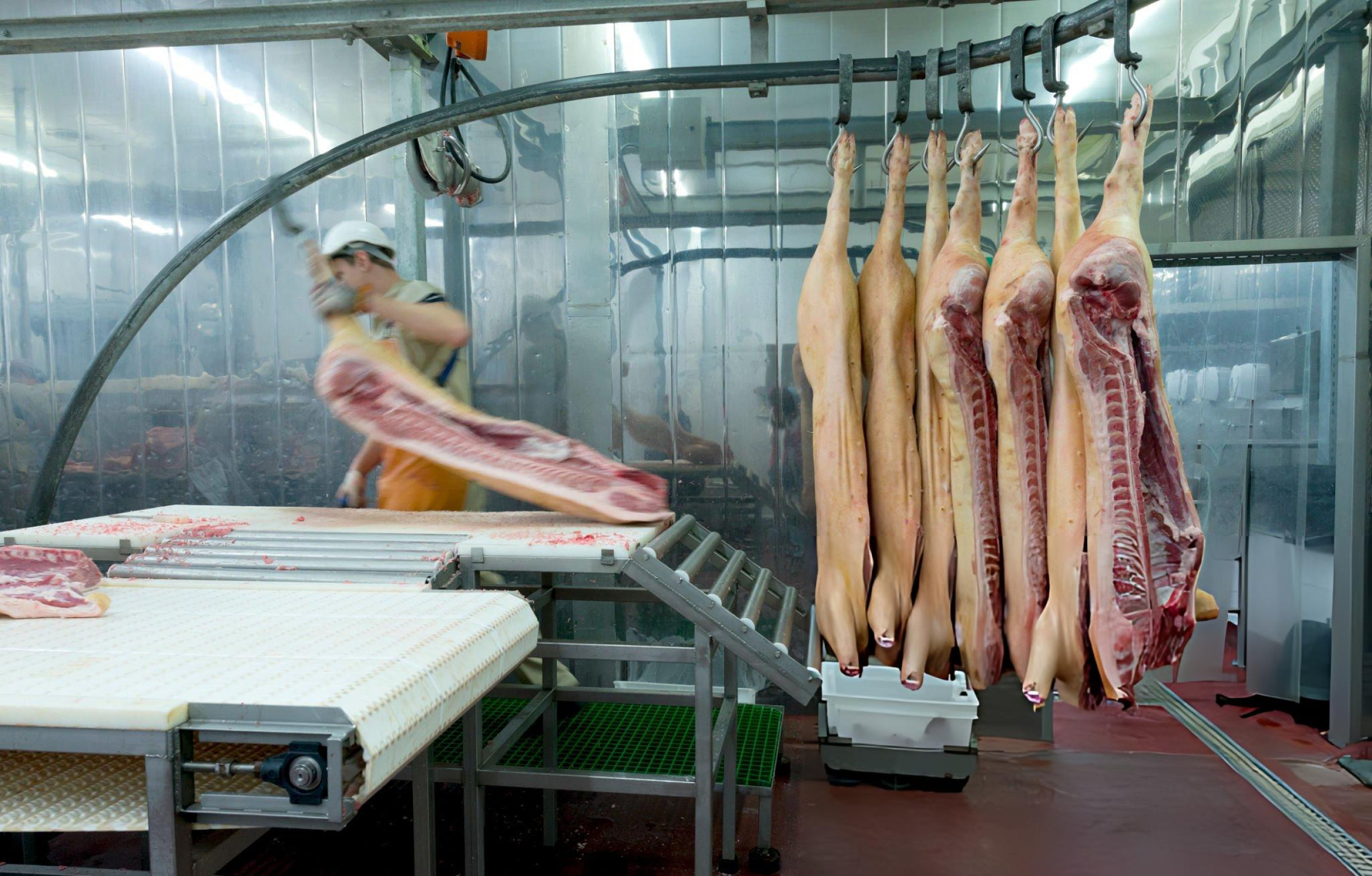
Equipment integration and workflow optimization are essential for smooth operations. Processing stages must be logically arranged to reduce bottlenecks and unnecessary handling. Conveyor systems, lifting devices, and automated transfer solutions help maintain continuous flow throughout the facility. Well-designed workflows improve productivity and reduce operational stress.
Regulatory compliance and certification should be addressed early in the project. Slaughterhouses may require approvals from food safety authorities, environmental agencies, and local government bodies. Working with experienced equipment suppliers and engineering teams helps ensure that facility design and equipment meet all required standards.
Another important factor is long-term reliability and maintenance. Equipment should be durable, easy to service, and supported by technical assistance. Reliable systems reduce downtime and protect production schedules. Planning for spare parts availability and maintenance access improves operational continuity.
Finally, scalability and future growth should be considered. Market demand, export opportunities, and regulatory changes may require capacity expansion or process upgrades. Designing a facility with flexibility allows operators to adapt to changing conditions without major disruptions.
In summary, successful slaughterhouse projects depend on thorough planning, informed equipment selection, and experienced technical support. By addressing capacity, hygiene, automation, workflow, and compliance from the beginning, operators can build facilities that are efficient, reliable, and prepared for long-term success.