Blog / Knowledge
Insights for Efficient Slaughterhouse Operations
Understanding Modern Slaughterhouse Equipment and Processing Lines
Modern slaughterhouse operations depend heavily on reliable, well-designed equipment to ensure efficiency, hygiene, and consistent output. As global demand for meat products continues to grow, slaughterhouses must adopt advanced processing systems that support higher capacity while maintaining strict food safety standards. Understanding the role of modern slaughterhouse equipment is essential for operators planning new facilities or upgrading existing ones.
At the core of any slaughterhouse are processing lines designed to manage each stage of slaughter efficiently. These stages typically include animal handling, stunning, bleeding, dehairing or skinning, evisceration, carcass splitting, washing, and chilling. Modern equipment integrates these processes into structured workflows that reduce manual handling, improve hygiene, and minimize processing delays.
Automation plays a critical role in today’s slaughterhouse design. Automated slaughtering lines allow facilities to maintain consistent throughput while reducing labor dependency. Machines perform repetitive tasks with precision, ensuring uniform processing results across large volumes. This is especially important for industrial-scale facilities where consistency and speed directly impact profitability and compliance.
Hygiene is another key factor driving the adoption of modern equipment. Food-grade stainless steel construction, smooth surfaces, and easy-to-clean designs help reduce contamination risks. Equipment is designed to meet international hygiene and food safety standards, ensuring compliance with regulatory requirements in different markets. Proper drainage systems, waste separation, and controlled processing zones further enhance sanitation within the facility.
Slaughterhouse conveyor systems are also essential components of modern processing lines. These systems move carcasses and products smoothly between processing stages, maintaining consistent flow and reducing physical handling. Conveyor systems improve efficiency while supporting ergonomic working conditions for operators. They also help maintain separation between clean and unclean zones, which is critical for hygiene control.
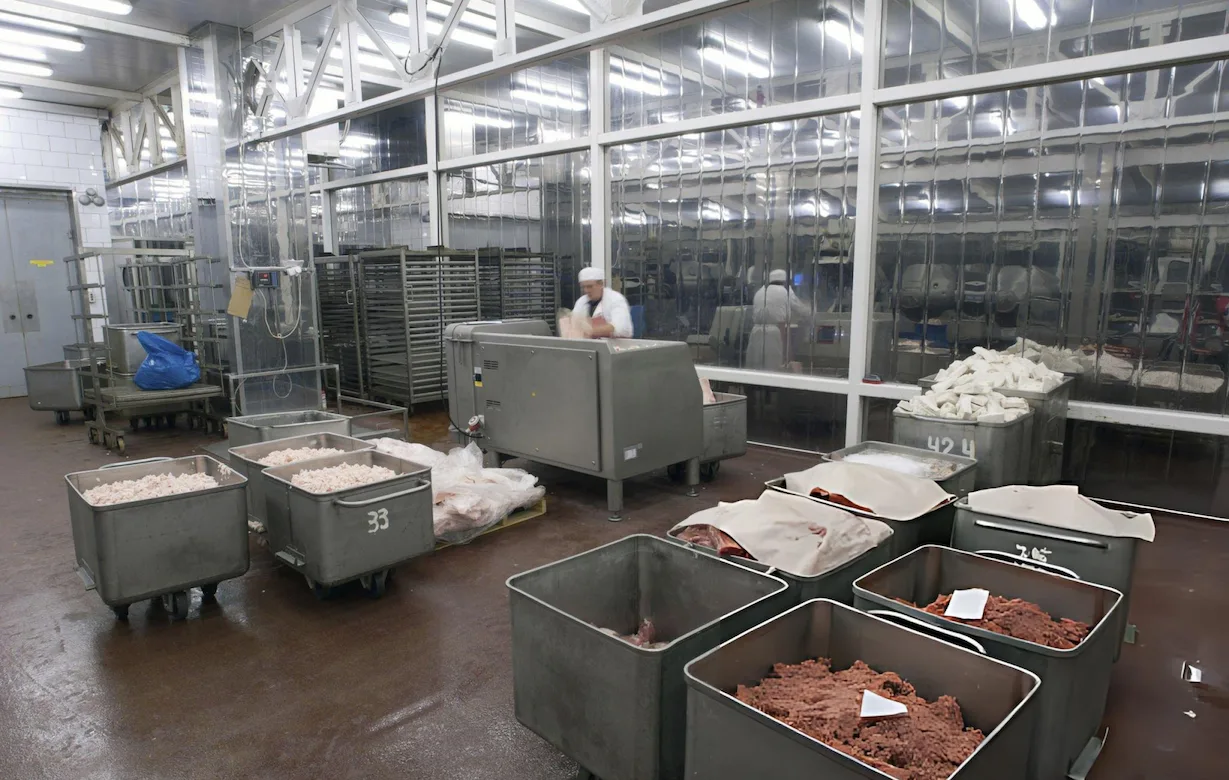
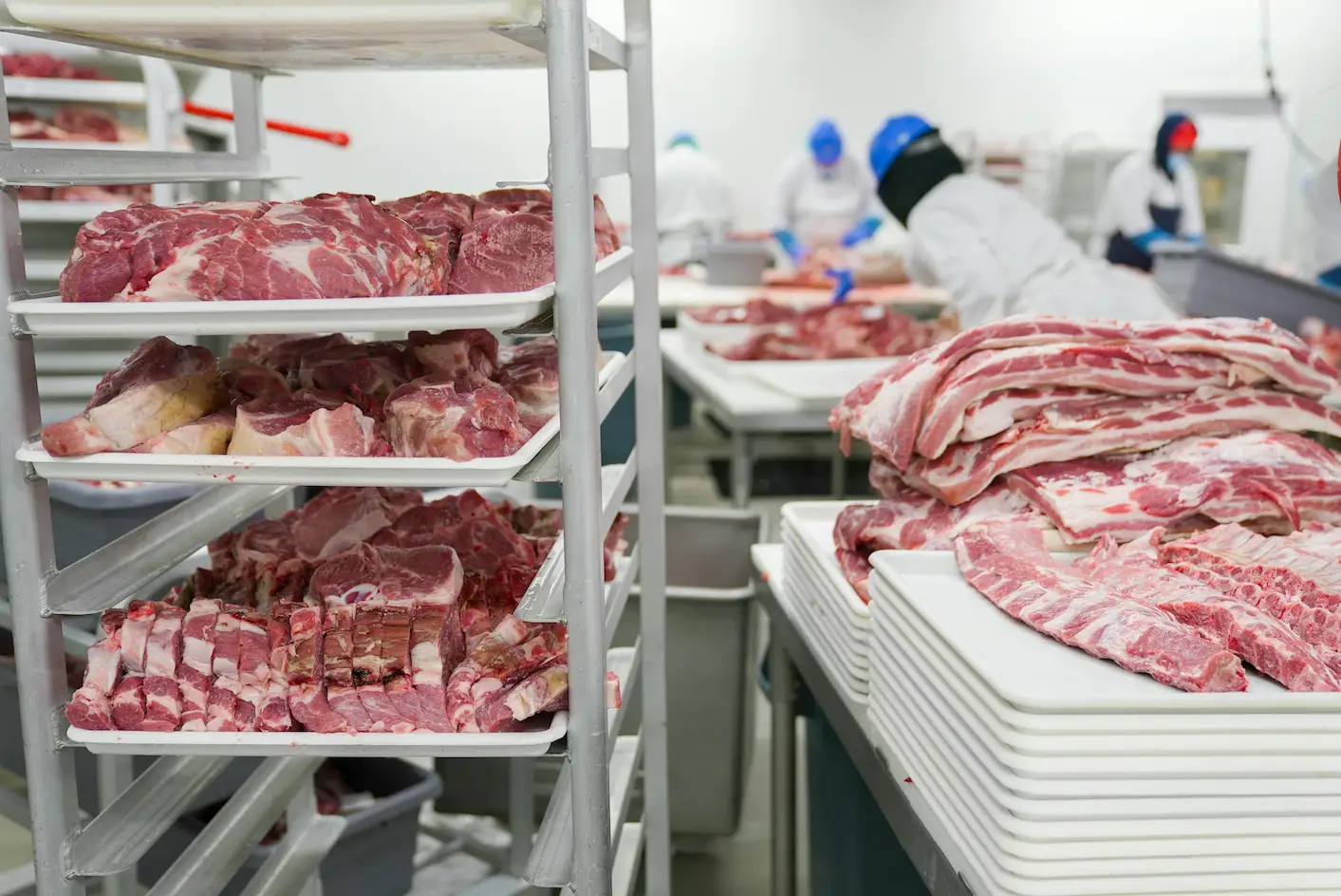
In addition to slaughtering equipment, meat processing and cutting machinery play a vital role in downstream operations. Cutting lines, deboning systems, portioning machines, and packaging equipment ensure that meat products are processed accurately and prepared for distribution. Integrated processing solutions allow slaughterhouses to expand their capabilities beyond primary processing, increasing overall operational value.
Customization is a major advantage of modern slaughterhouse equipment. Facilities vary in size, capacity, animal type, and operational requirements. Equipment manufacturers and solution providers work closely with clients to design systems that match specific needs. This includes selecting appropriate automation levels, line layouts, and processing capacities to ensure optimal performance.
Energy efficiency and sustainability are becoming increasingly important considerations. Modern equipment is designed to reduce water consumption, optimize energy use, and minimize waste generation. Efficient systems not only lower operating costs but also support environmental compliance and long-term sustainability goals.
In conclusion, modern slaughterhouse equipment forms the foundation of efficient, hygienic, and scalable meat processing operations. By investing in advanced processing lines, automation, and customized solutions, slaughterhouses can improve productivity, ensure compliance, and remain competitive in a demanding global market.