Blog / Knowledge
Insights for Efficient Slaughterhouse Operations
The Importance of Turnkey Slaughterhouse Solutions for Modern Facilities
Turnkey slaughterhouse solutions have become increasingly popular as operators seek efficient, reliable, and fully integrated project delivery. A turnkey approach provides complete support from initial design to final operation, reducing complexity and ensuring consistent project outcomes.
One of the main advantages of turnkey solutions is unified project management. Instead of coordinating multiple suppliers, contractors, and consultants, clients work with a single solution provider responsible for the entire project. This simplifies communication, reduces delays, and improves overall project coordination.
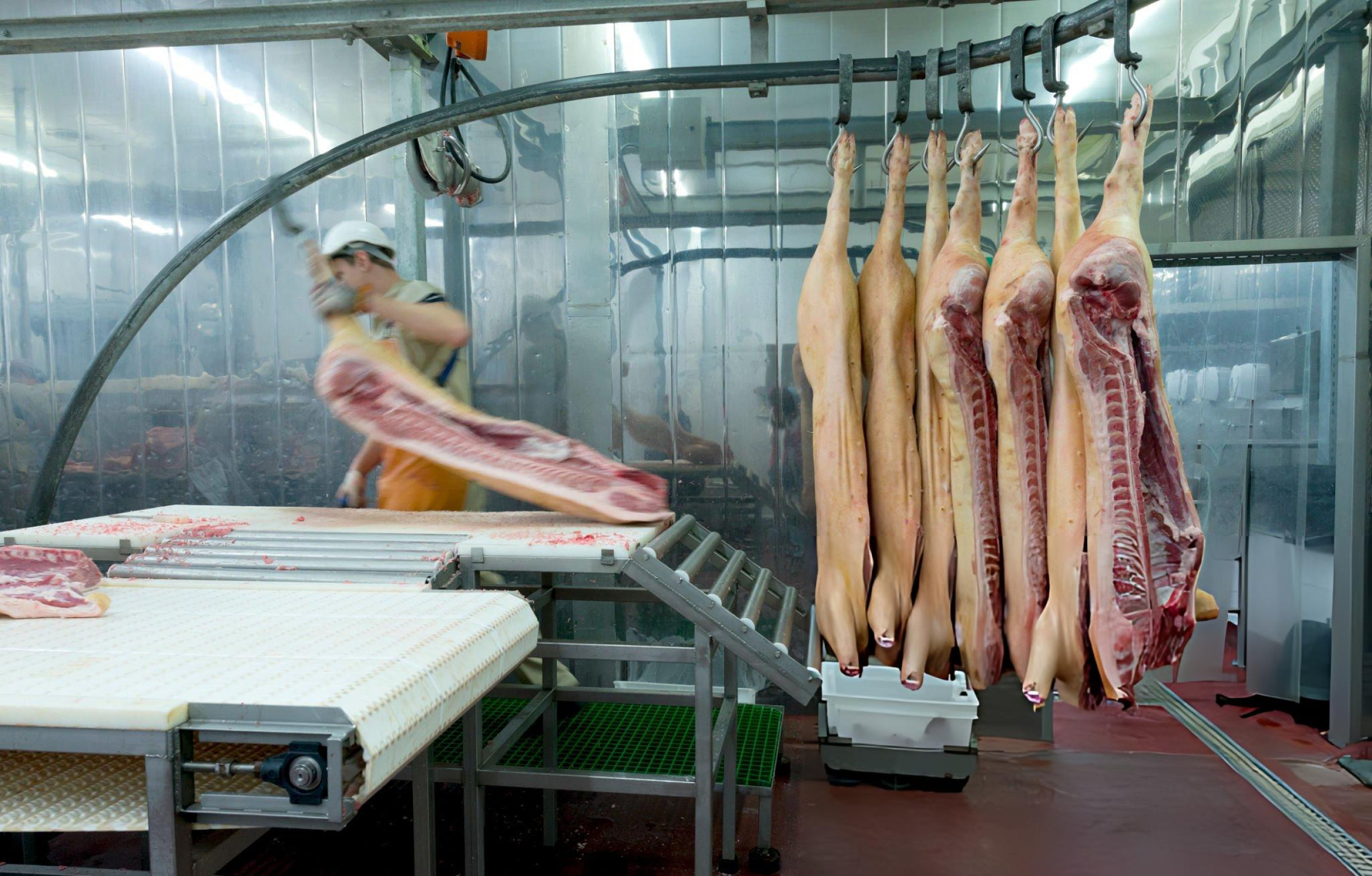
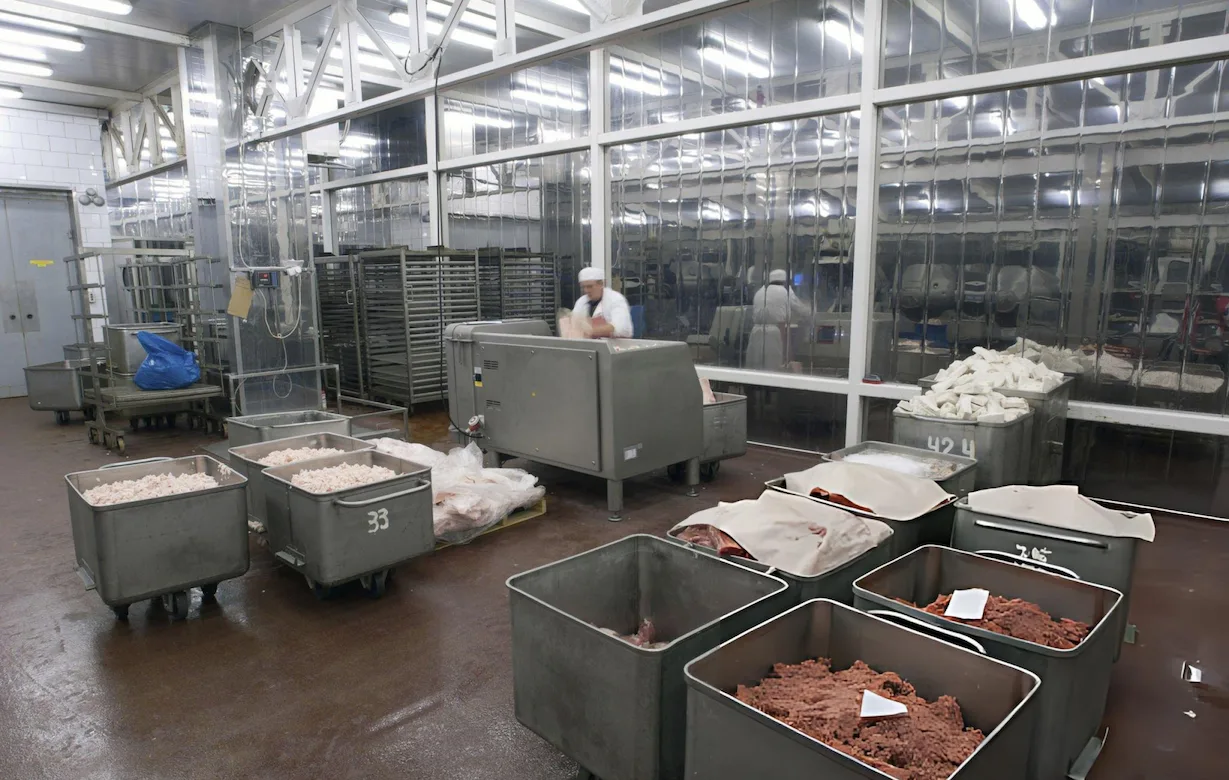
Turnkey solutions typically include facility layout design, equipment selection, processing line integration, installation, and commissioning. Engineering teams analyze site conditions, processing capacity requirements, and operational goals to develop optimized solutions. This ensures that all components work together seamlessly from the start.
Hygiene and compliance are major benefits of turnkey projects. Experienced solution providers design facilities according to international food safety and hygiene standards. Processing zones, drainage systems, and equipment placement are carefully planned to minimize contamination risks and support efficient sanitation procedures.
Another key advantage is reduced project risk. Turnkey providers have experience handling complex slaughterhouse projects across different markets and regulatory environments. Their expertise helps avoid common planning mistakes, cost overruns, and operational inefficiencies. Clients benefit from proven methodologies and tested equipment configurations.
Turnkey solutions also improve time-to-operation. With coordinated planning and execution, projects are completed faster compared to fragmented approaches. Faster commissioning allows facilities to begin production sooner, improving return on investment.
Customization remains an important aspect of turnkey solutions. Although the project is delivered as a complete package, designs are tailored to specific client needs. This includes capacity requirements, animal types, automation levels, and regional compliance standards. Flexible solutions ensure that each facility meets its unique operational goals.
Long-term technical support is another important benefit. Many turnkey providers offer ongoing assistance after project completion, including training, maintenance guidance, and technical consultation. This support helps operators maintain stable performance and address challenges as operations evolve.
From a financial perspective, turnkey projects provide clearer cost control. Integrated planning allows accurate budgeting and reduces unexpected expenses. Clients gain better visibility into project scope, timelines, and investment requirements.
In conclusion, turnkey slaughterhouse solutions offer a practical, efficient approach to building and upgrading modern processing facilities. By combining engineering expertise, integrated equipment, and comprehensive project management, turnkey solutions help slaughterhouses achieve reliable operations, hygiene compliance, and long-term operational success.